


Home —
Design
Sale of hydroelectric power plants
We develop hydroelectric power plants of any capacity
with selection of equipment, financing
and editing
Investment projects for hydroelectric power plant sites in Central Asia and the Caucasus


A site for the construction of a mini-hydroelectric power station on the Lodnari River (Georgia)


The Akavreta-Lodnari hydroelectric power station is located on a watercourse with a stable seasonal flow


The Gudauri hydroelectric power station is a high-pressure mountain station with a significant difference in elevation.


Akavreta hydroelectric power station is an object for implementation/joint investment


Combined model "Shrosha - Dzirula"


Mini-hydropower plants in Kyrgyzstan. Construction sites and modernization of existing hydropower plants


Sale of land and construction of mini-hydroelectric power plants in Kazakhstan
Project cascade mini-hydroelectric power station on the river Arym
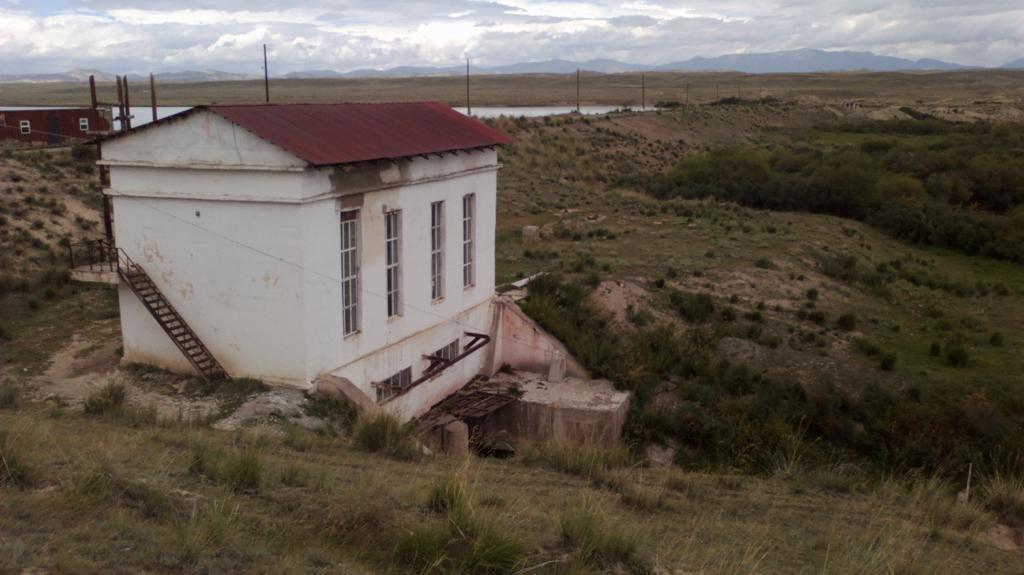
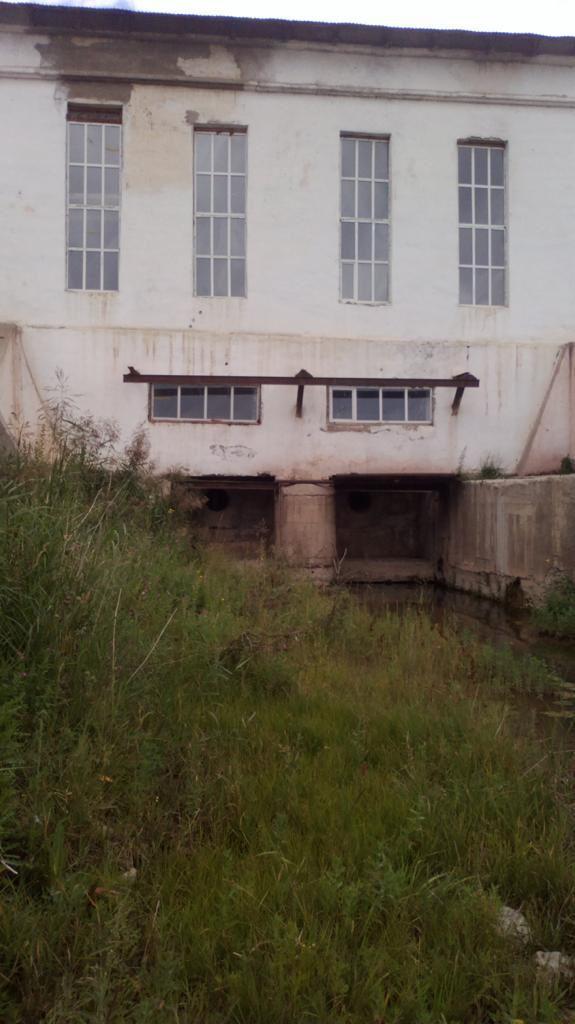
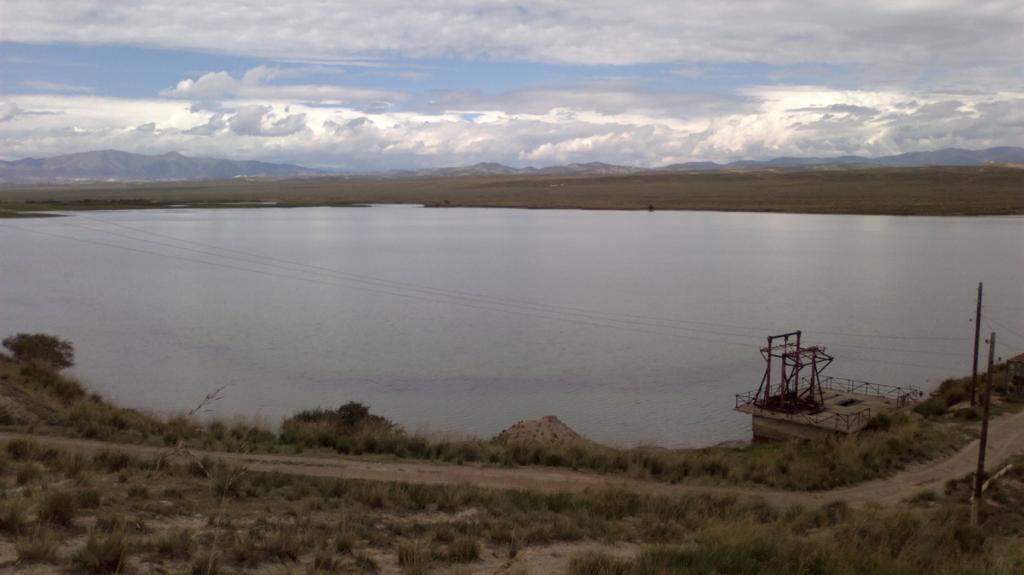
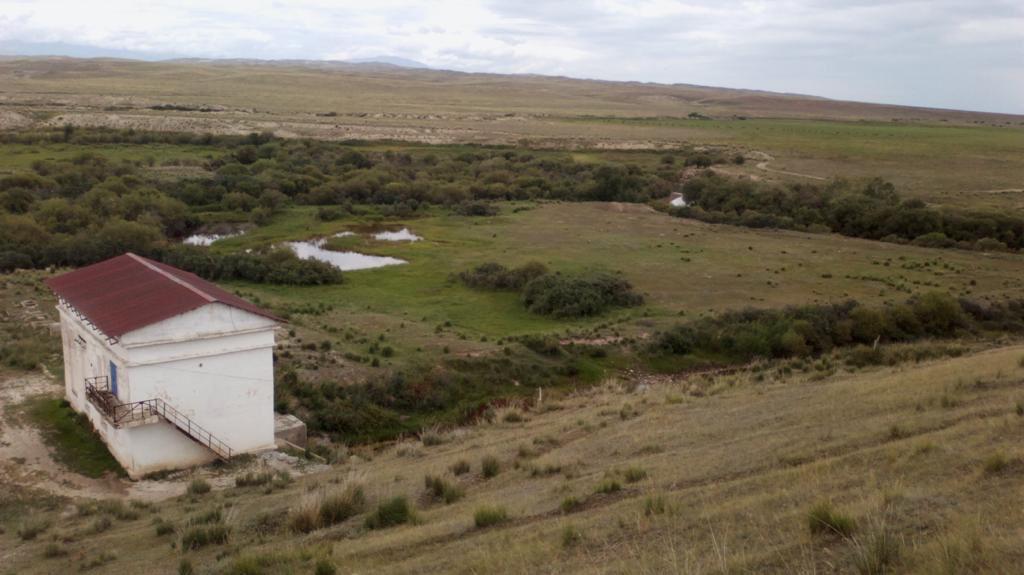
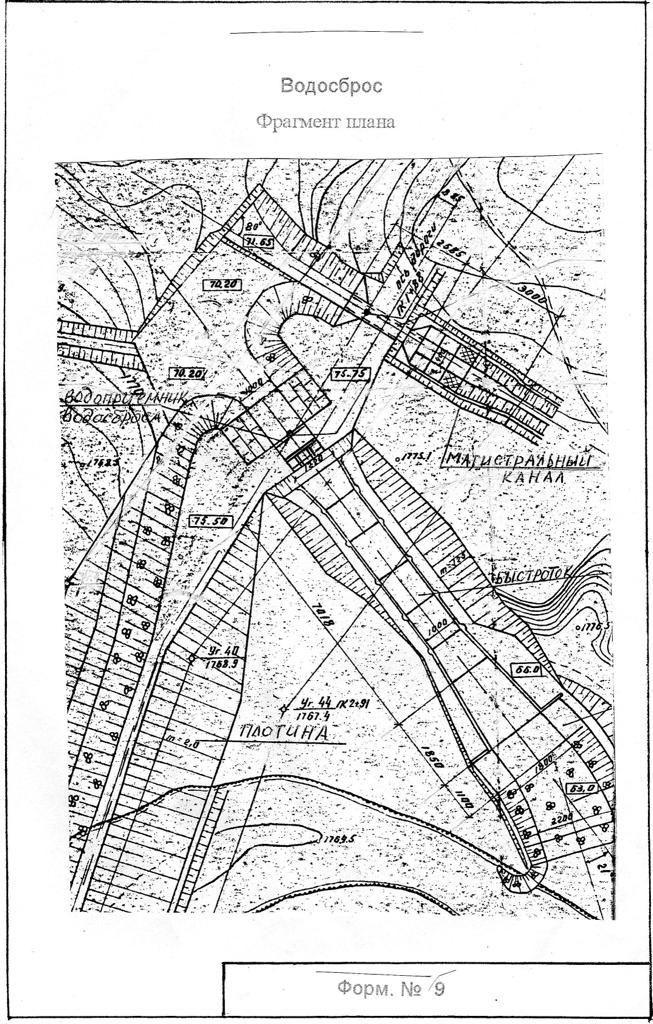
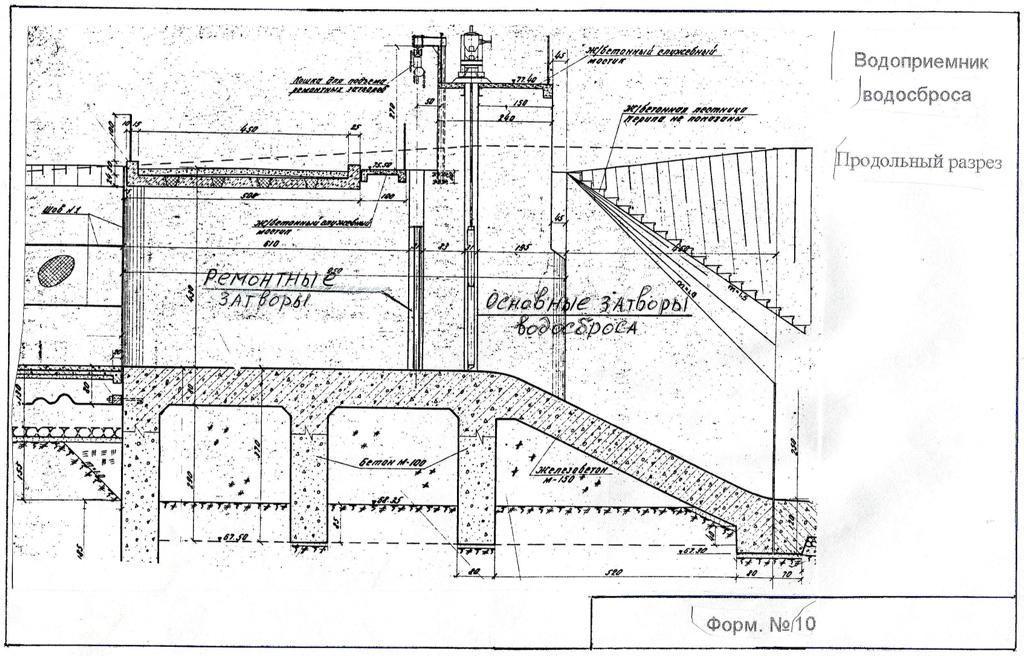
An inactive mini-hydroelectric power plant in the Almaty region is for sale.


Hydroelectric power station for sale in Zukhzidi, Georgia.
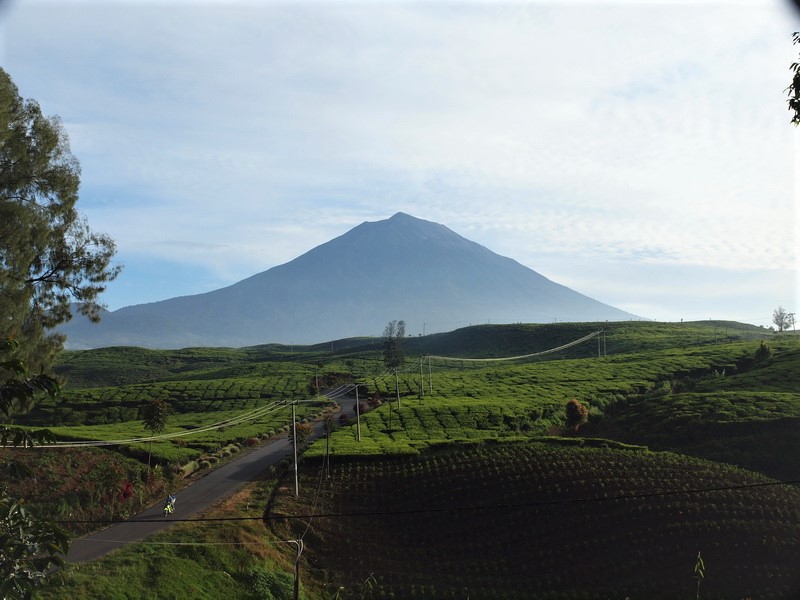
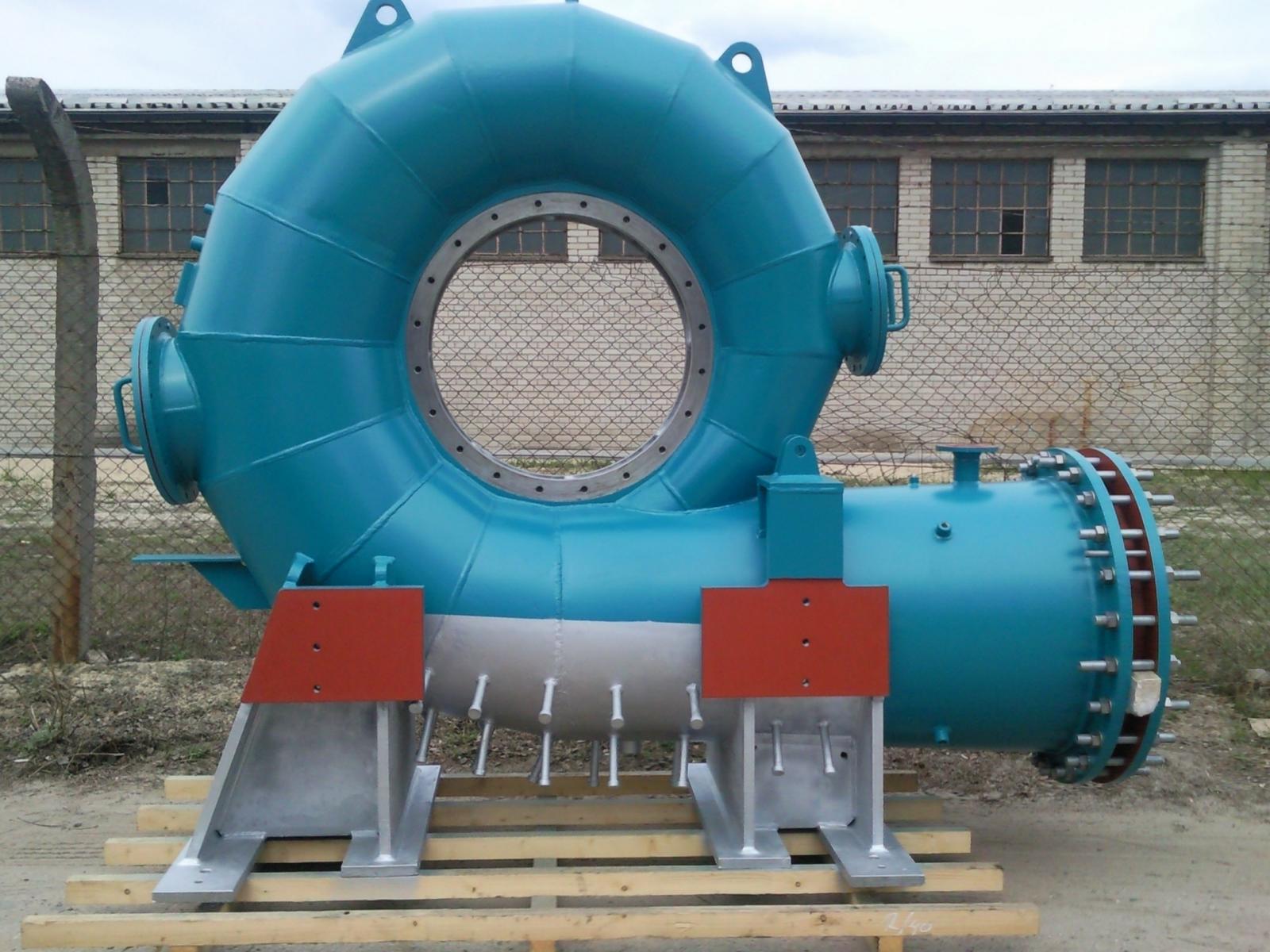
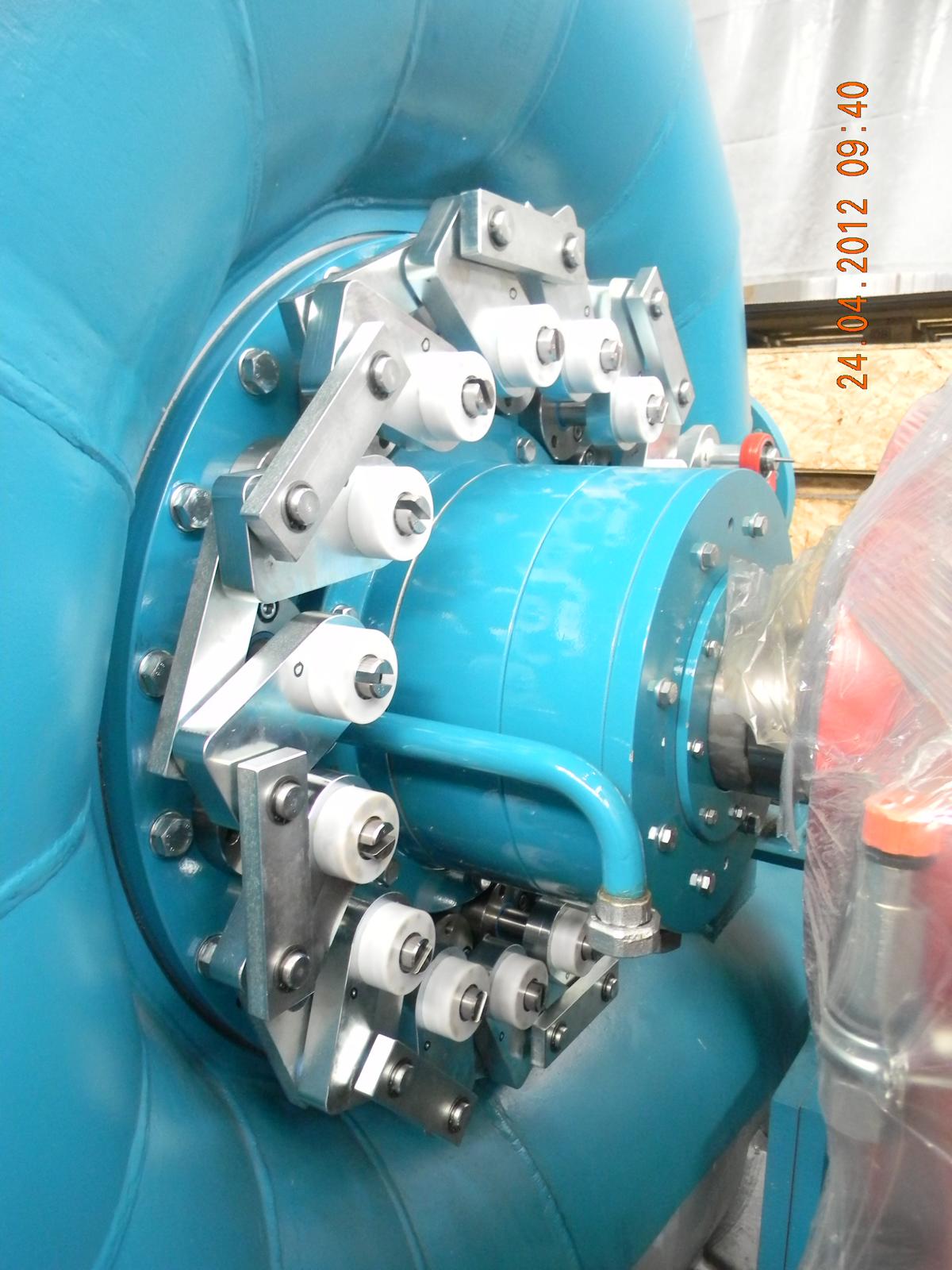
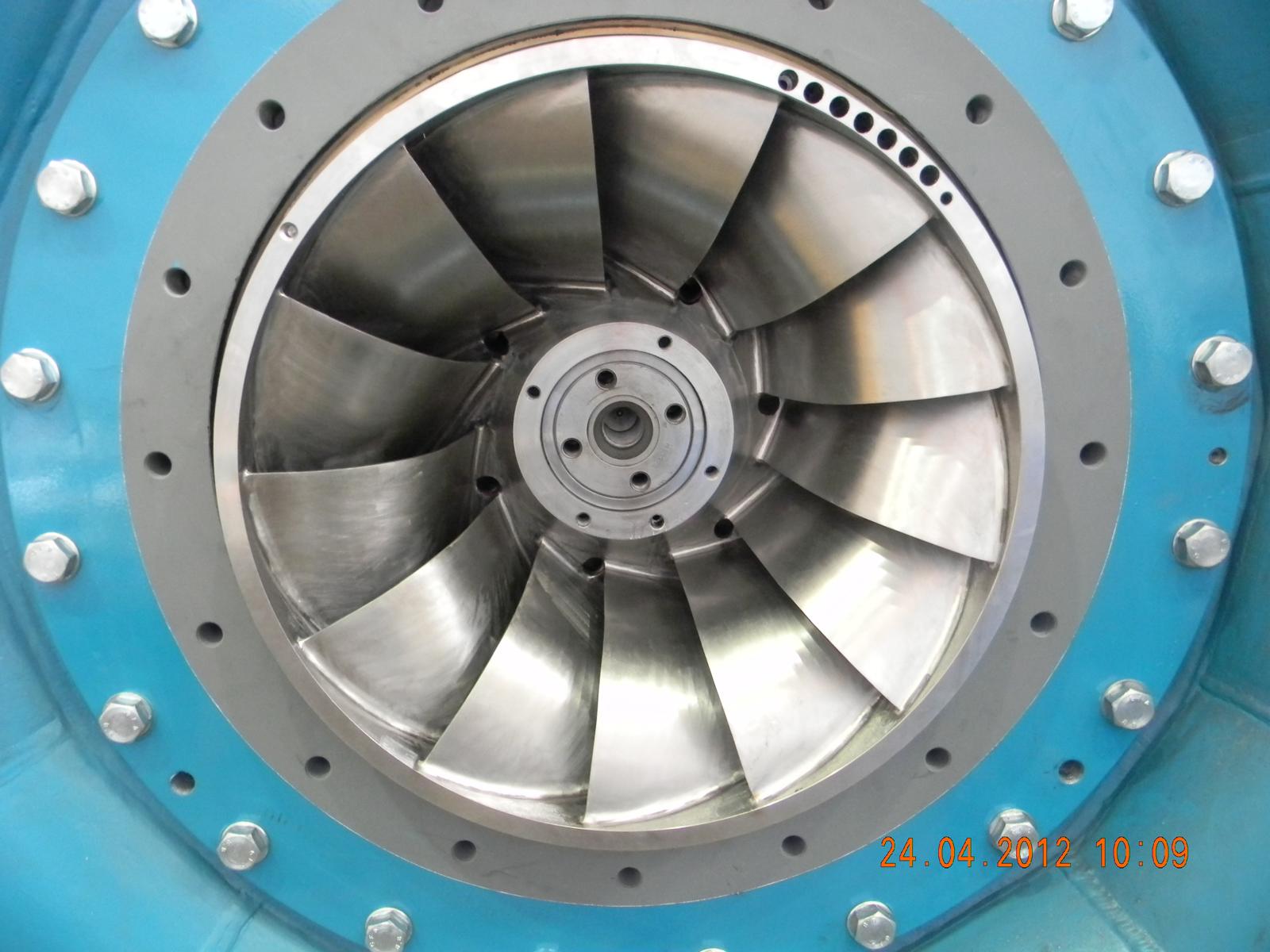
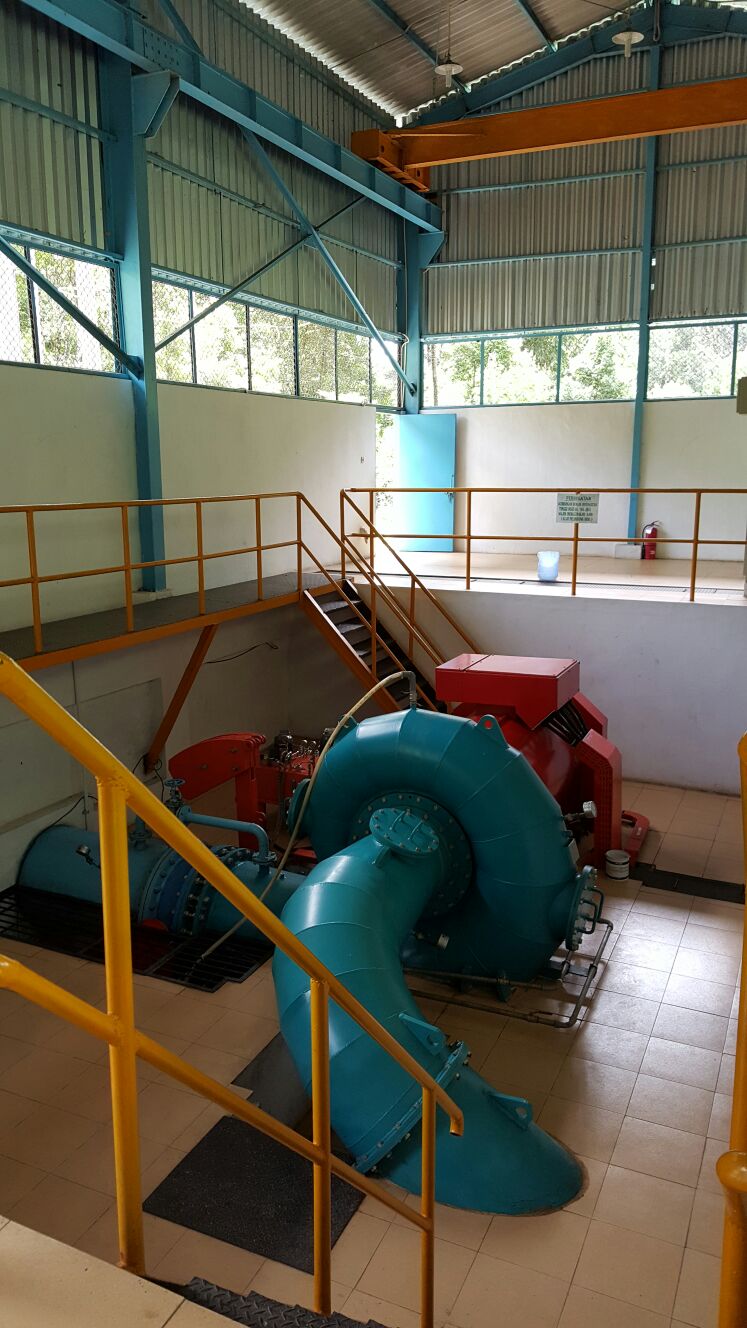
Batu Hampar Hydroelectric Power Station, Indonesia, 2011
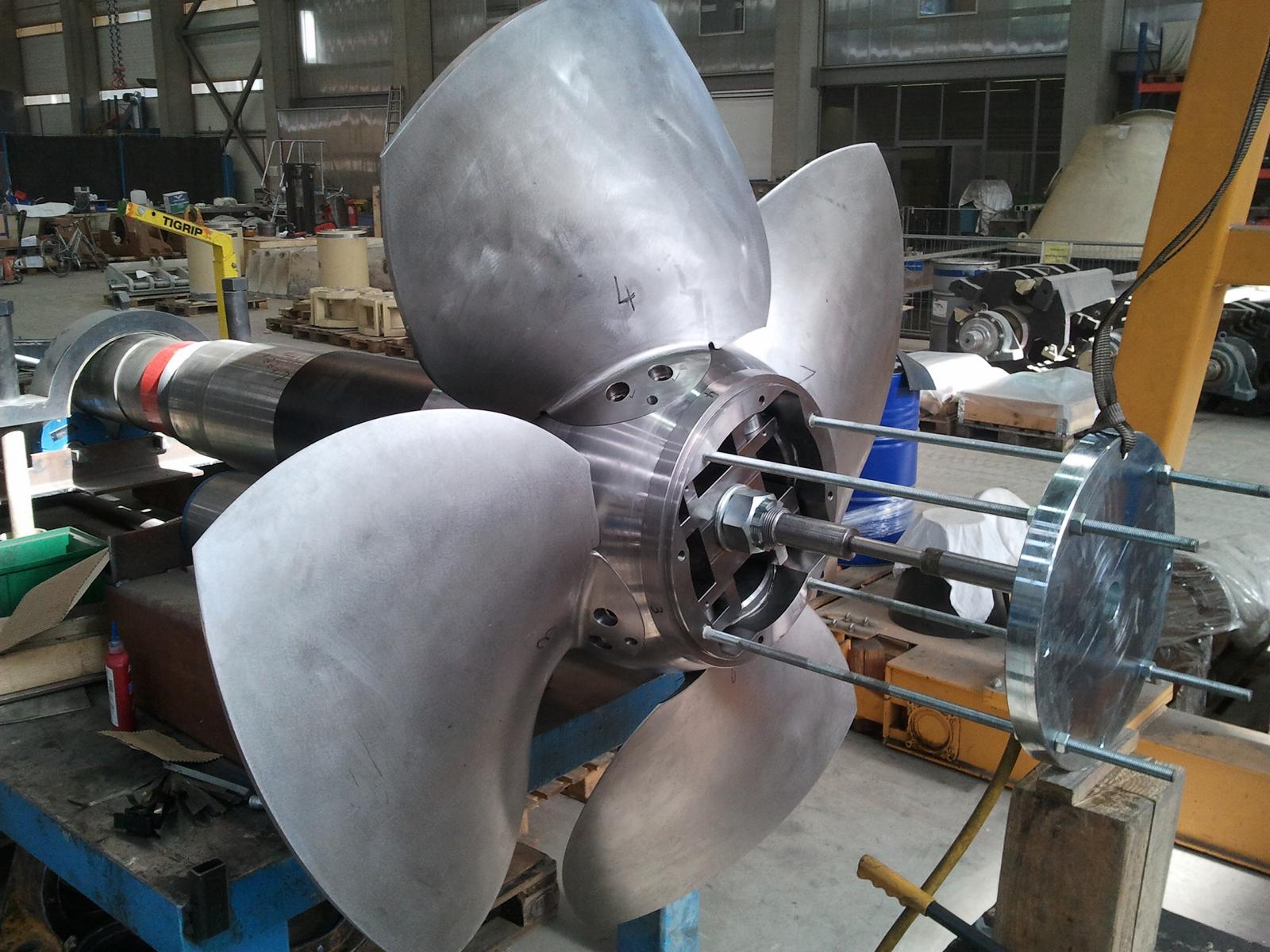
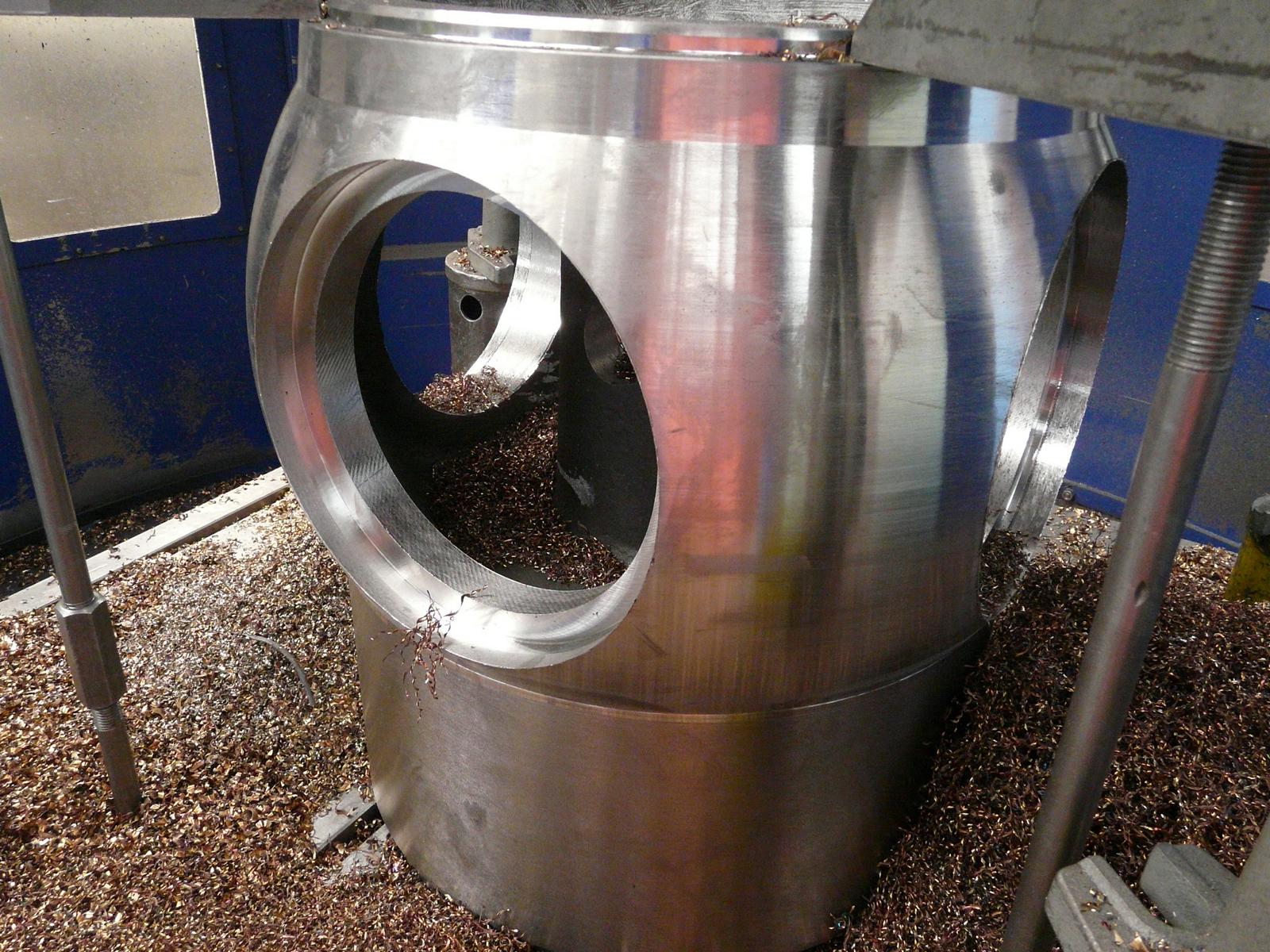
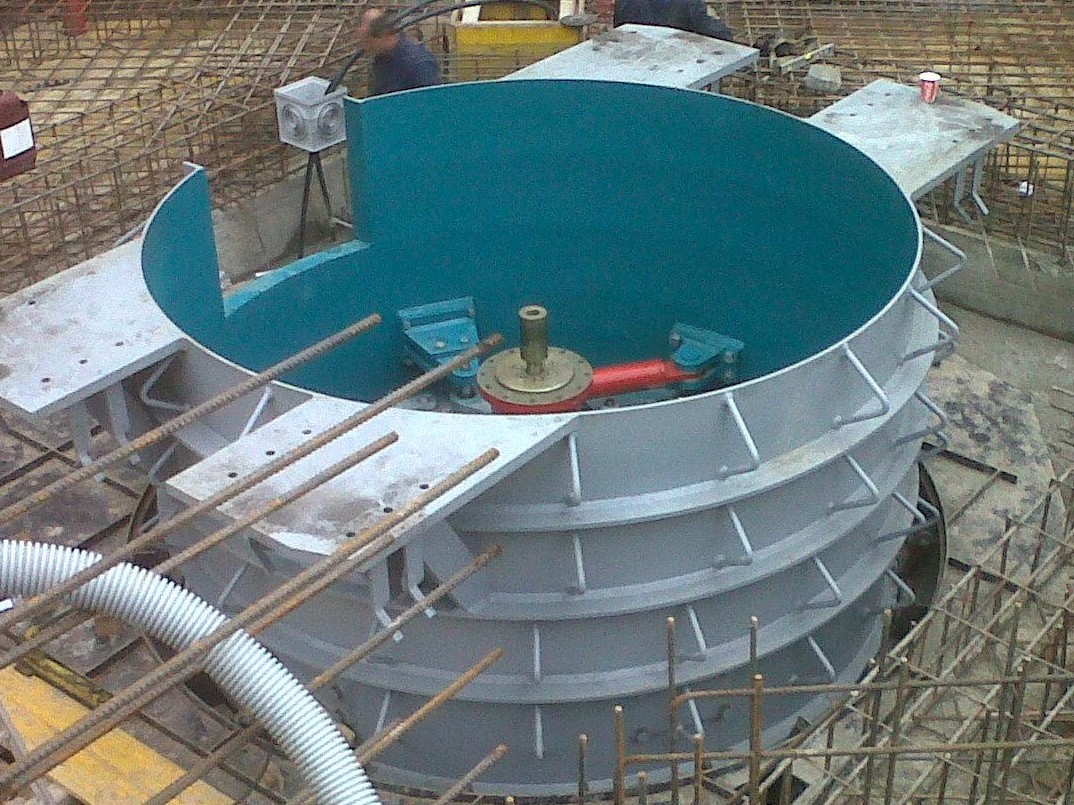
Cartiera del Maglio Hydroelectric Power Plant – EPF, Italy, 2011
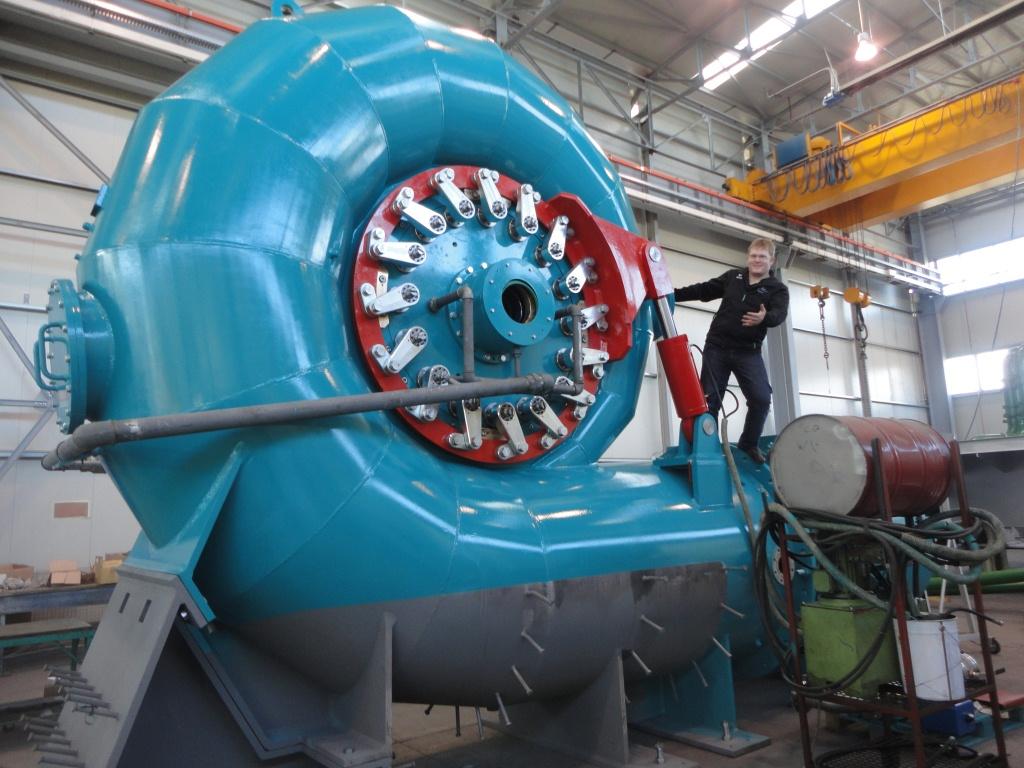
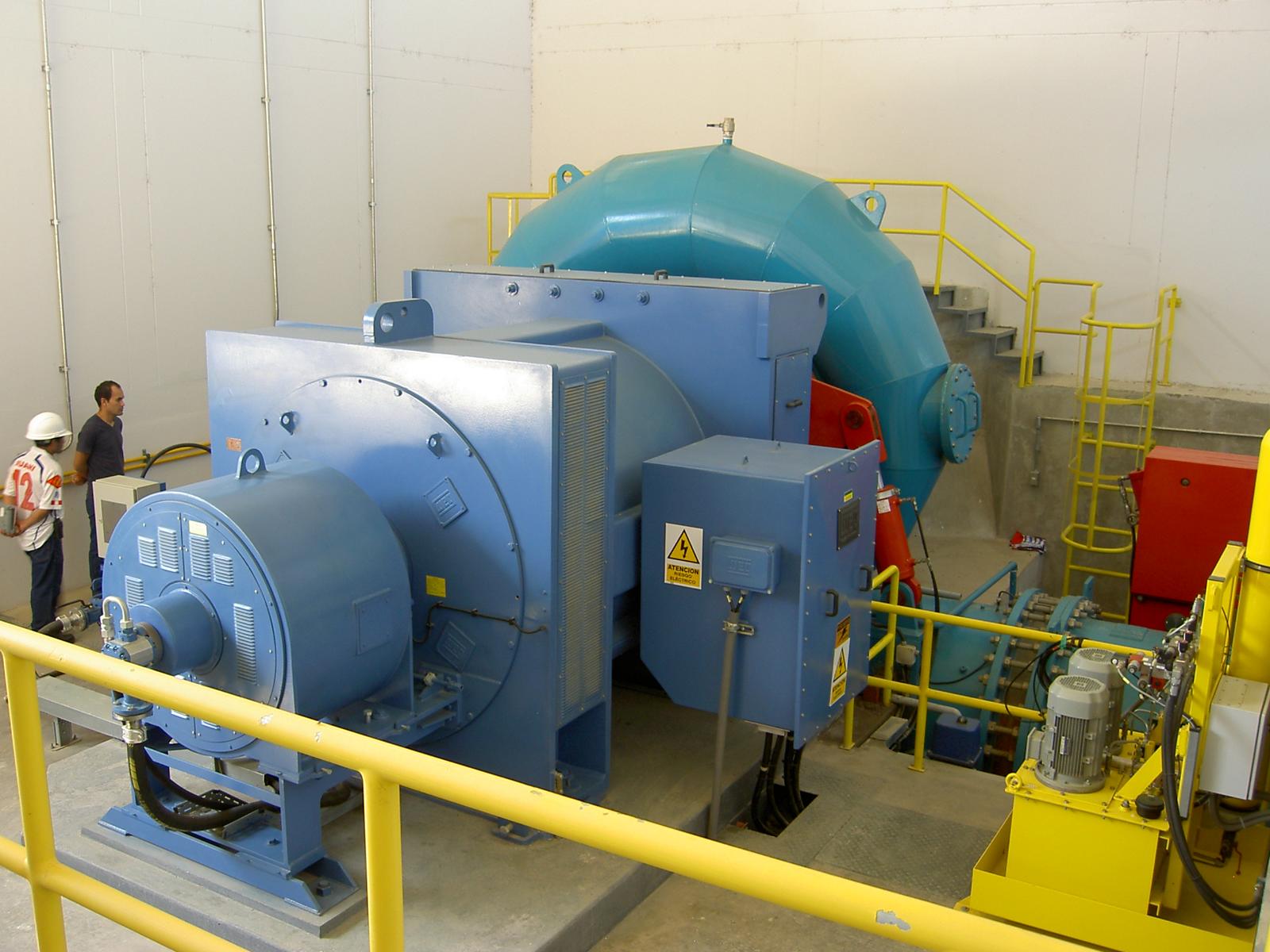
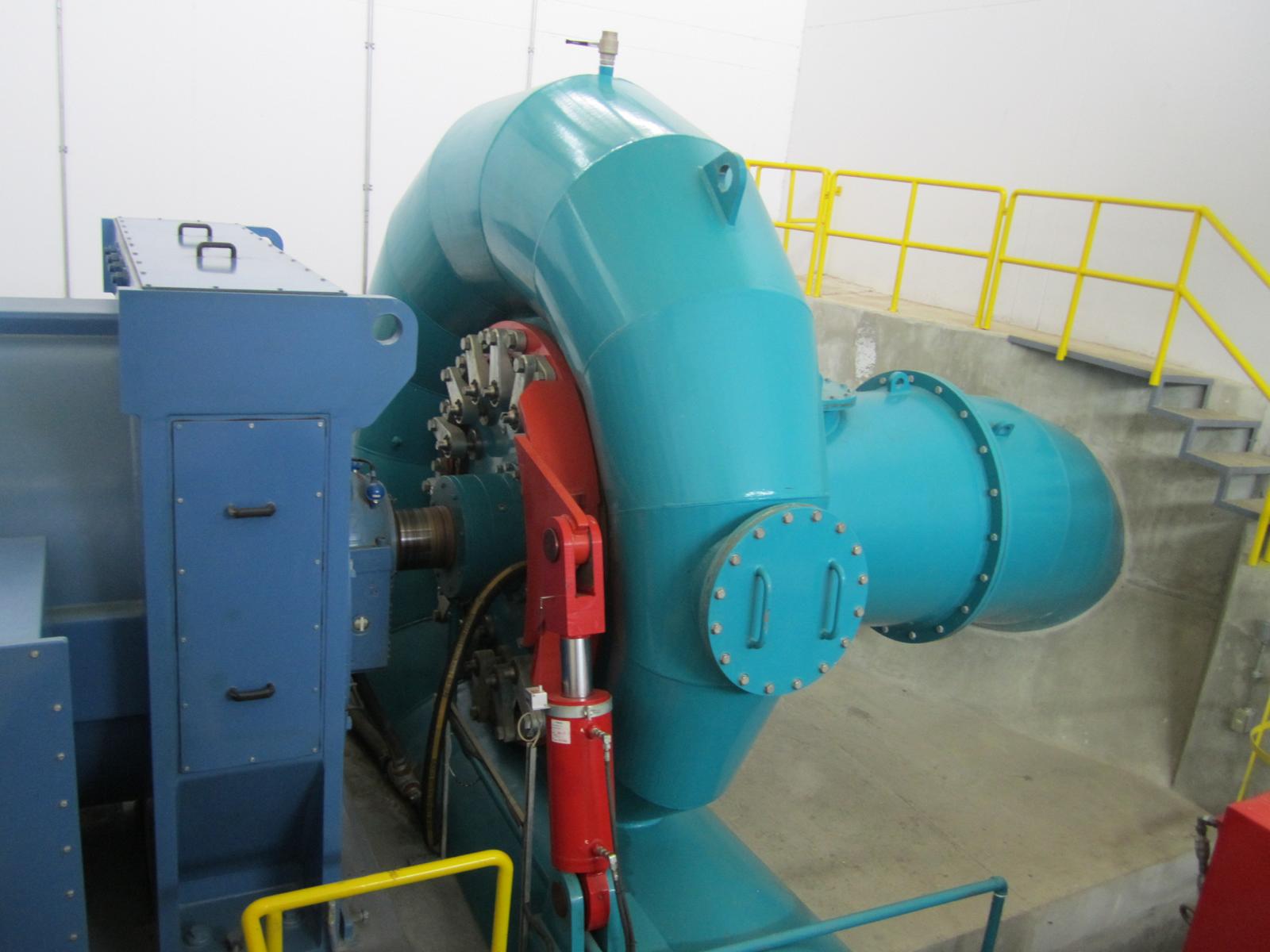
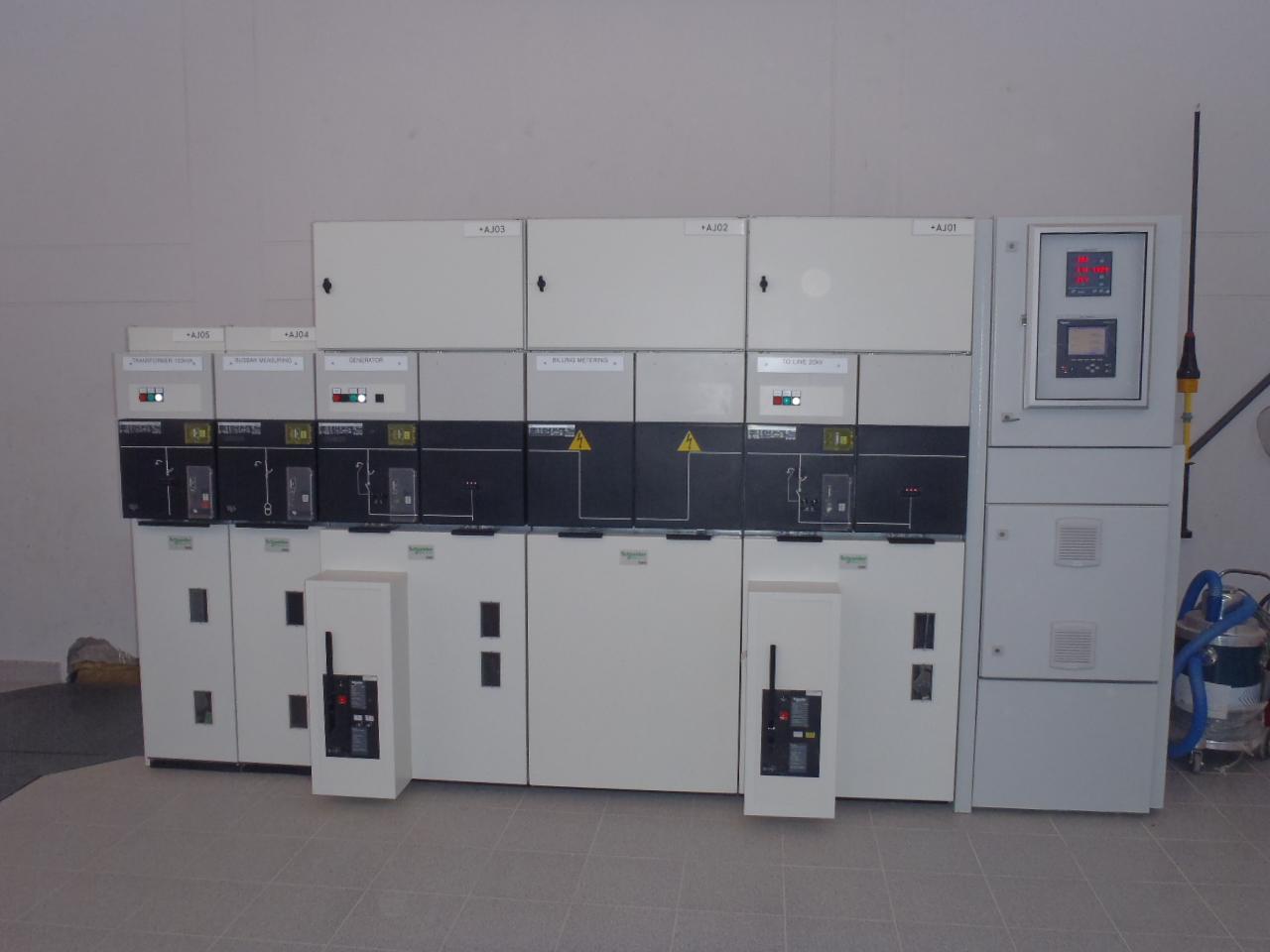
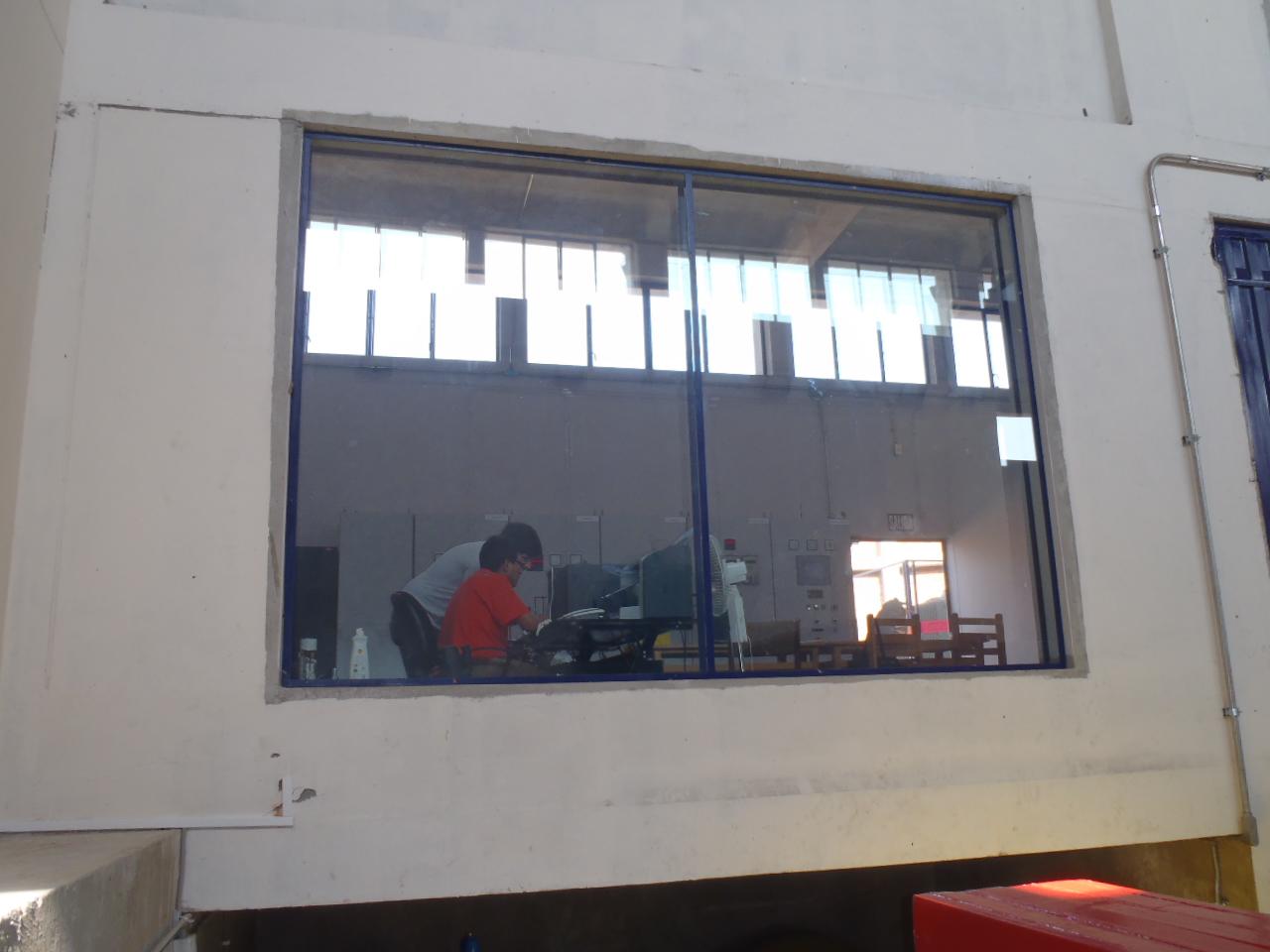
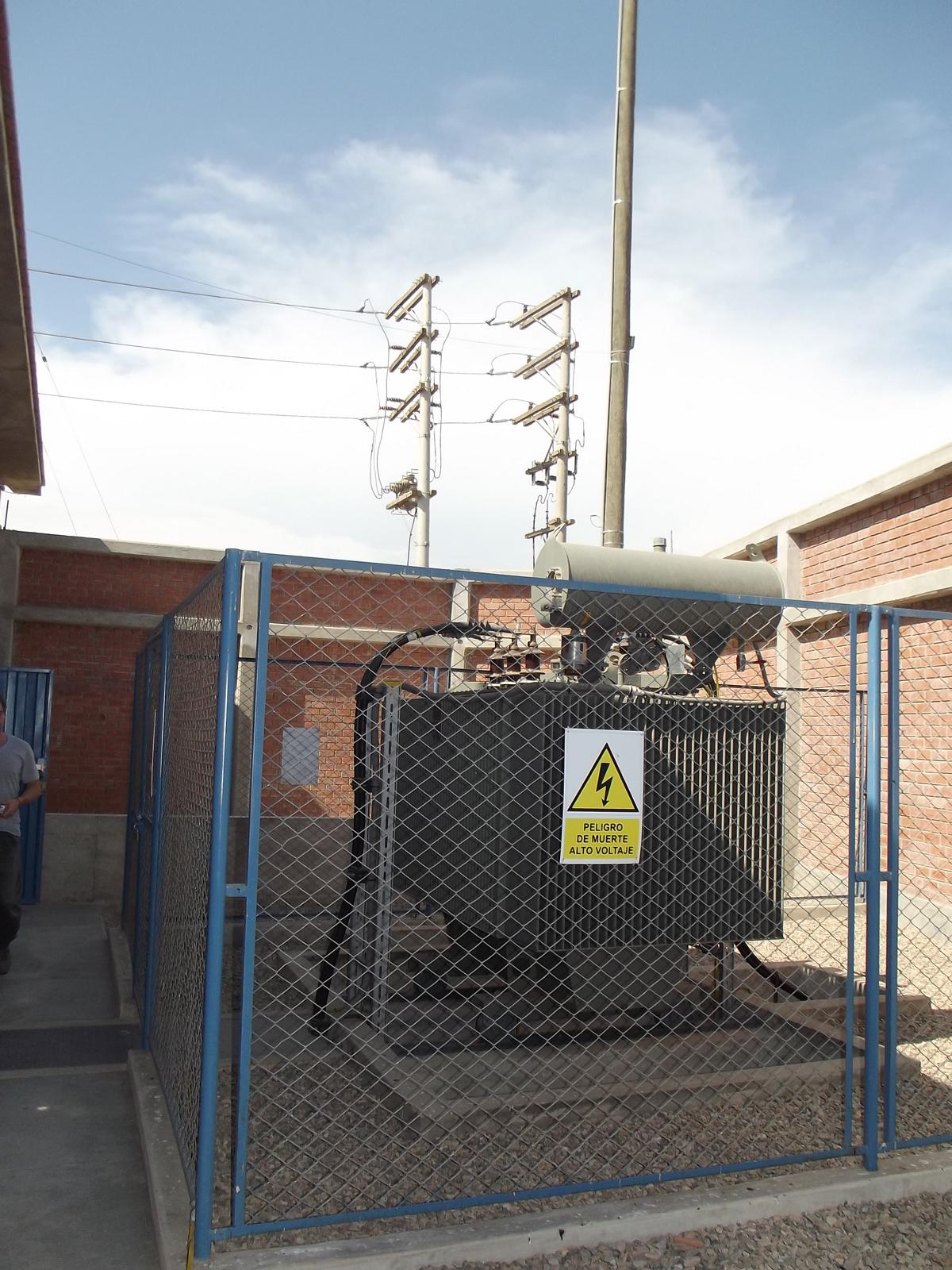
Nuevo Imperial Hydroelectric Power Station, Peru, 2011
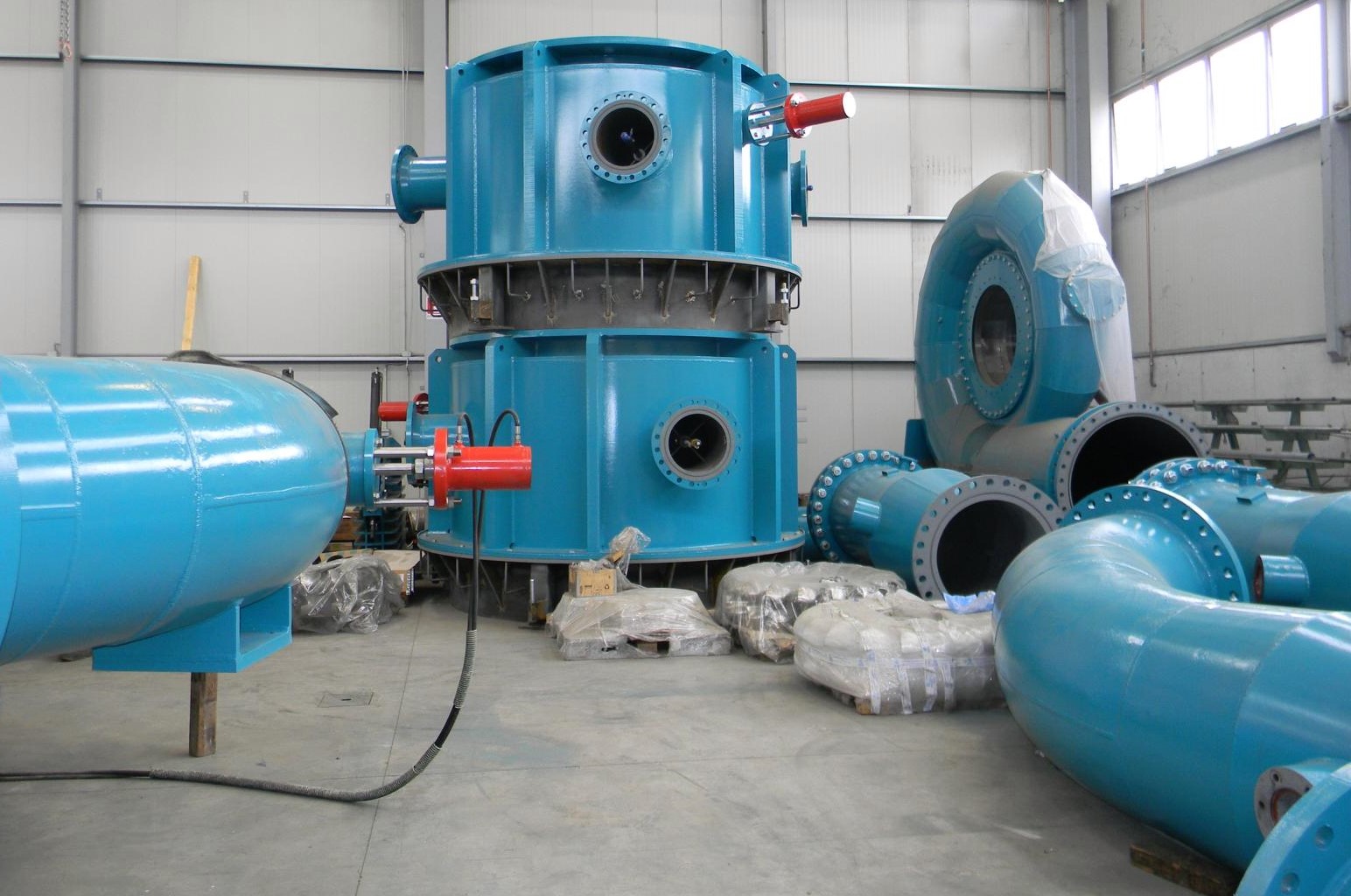
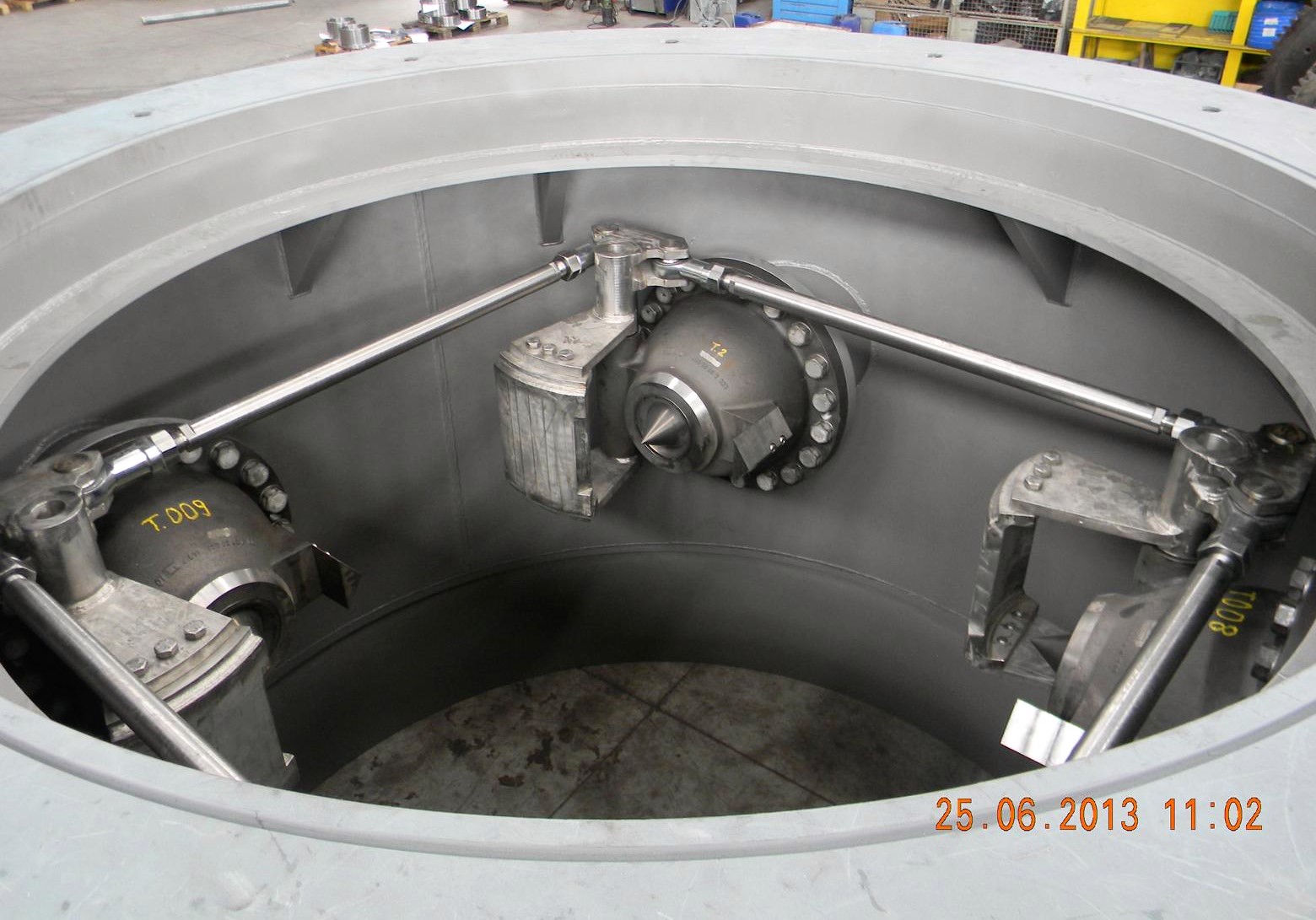
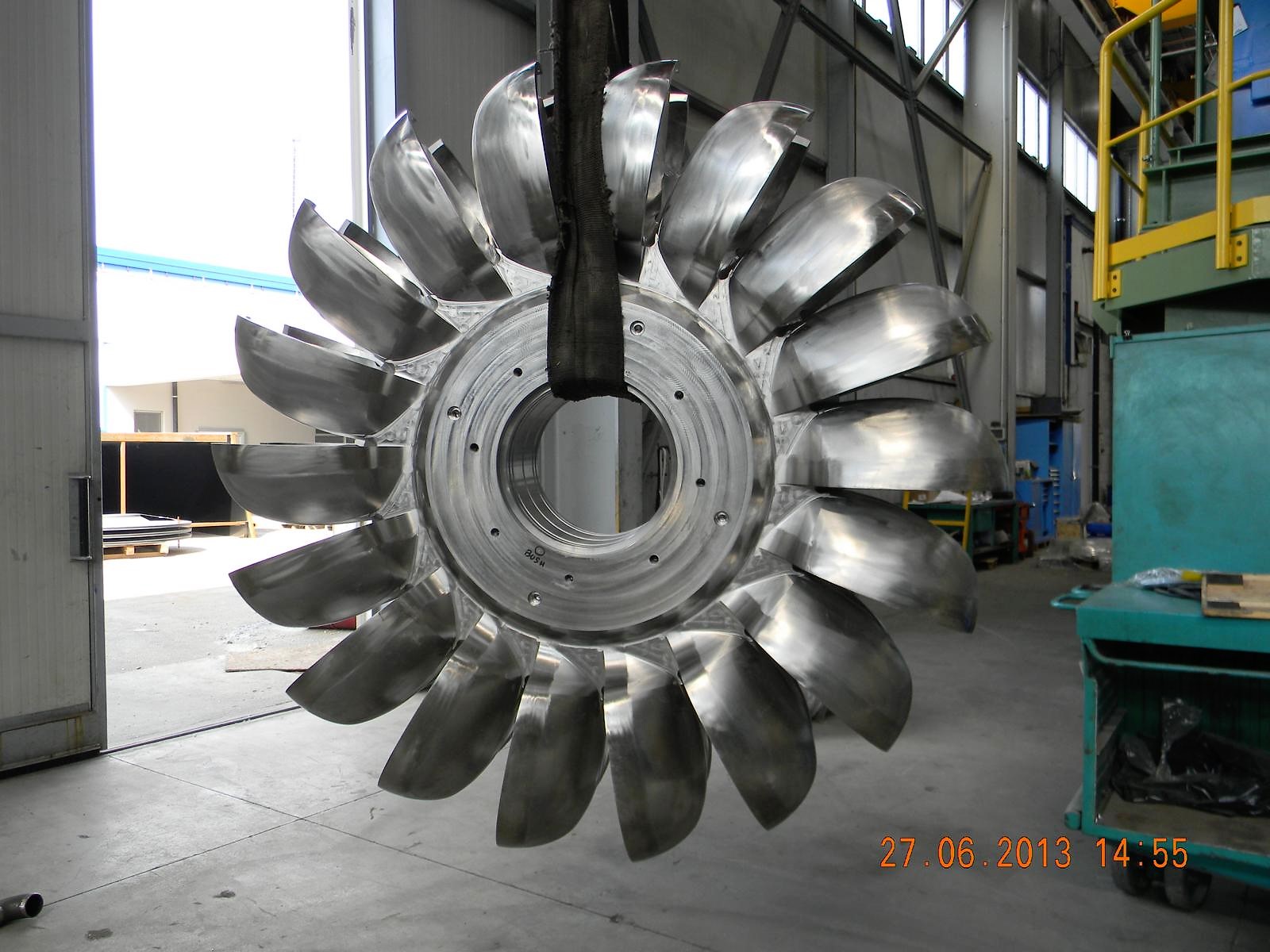
El Sindigo Project, Panama, 2011

Sale of land in Georgia, Kyrgyzstan, Kazakhstan, and Armenia for the construction of a hydroelectric power station
Production


Stages of hydroelectric power plant project implementation

01
Development of a feasibility study for a hydroelectric power station
Before construction or modernization, we conduct a comprehensive analysis of the project's technical and financial feasibility. This includes calculating the water volume and hydrological parameters of the site, conducting a geographic and infrastructure survey, determining the potential capacity of the plant, assessing investment costs and the payback period, identifying risks, and developing mitigation proposals. The feasibility study serves as the basis for management decisions, obtaining necessary permits, and securing financing.
02
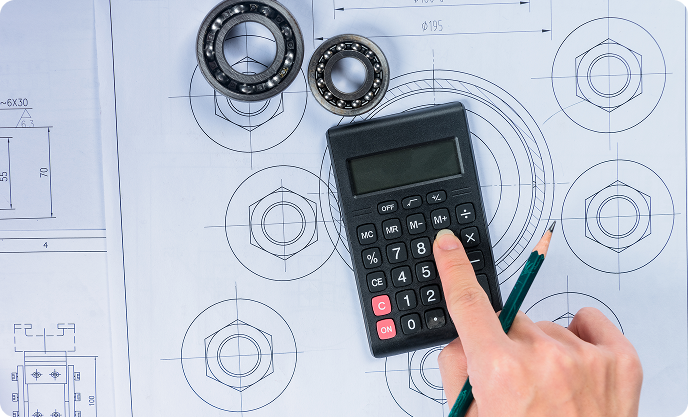
We are designing a technical solution
Based on a feasibility study, we develop a comprehensive technical solution for the construction or modernization of a hydroelectric power plant. This includes selecting the turbine and generator type based on hydrological conditions, designing inlet and outlet structures, canals, and pipelines, calculating the plant's capacity and optimal operating modes, developing automation schemes and control systems, and evaluating materials, equipment, and installation logistics.
The developed technical solution ensures the efficient operation, reliability, and safety of the station, and also serves as the basis for obtaining approvals and commencing construction.

03
Development of financing schemes
After designing the technical solution, we develop an optimal project financing scheme, including the investment structure, funding sources, payback periods, and projected returns. We consider investor participation, bank participation, interest rates, potential subsidies, and financial risk mitigation. This scheme ensures informed investor decisions, timely project implementation, and financial stability throughout all stages of the hydroelectric power plant's construction and operation.

04
Coordination of design documentation
At this stage, the project undergoes review and approval by government agencies and specialized authorities.
The approval process takes into account construction, environmental, and hydraulic engineering regulations, as well as hydroelectric power plant safety and operation standards. Proper approval ensures the legality of construction, minimizes the risk of delays, and allows for obtaining all necessary permits to begin work.
05
Construction and commissioning
At this stage , the hydroelectric power plant is actually constructed in accordance with the approved design documentation and technical specifications. Excavation work, installation of turbines, generators, pipelines, and auxiliary equipment are carried out.
After construction is completed, equipment testing and adjustments are performed, along with verification of the automation and control systems. Commissioning confirms the plant's complete readiness for efficient and safe operation, ensures compliance with all standards, and allows for the commencement of power generation.
Why it’s safer with us
100+ years of experience
in design
We develop hydroelectric power plants with capacities ranging from 50 kW to 40 MW. Over more than a decade, we have implemented dozens of projects in Russia, Kazakhstan, Belarus, and the CIS countries.
Deep expertise
in the modernization of Soviet hydroelectric power plants
We have in-depth knowledge of the design, documentation, and equipment of older power plants. We offer solutions for turbine replacement and control automation.
and increasing efficiency
We implement projects
in difficult conditions
We work where others refuse: in mountainous, hard-to-reach, and remote regions. We consider the climate, terrain, and logistics, and select tailored solutions.
Why it’s safer with us

Task analysis and consultation
We discuss your idea, the capacity of the future station, and the site's features. We provide an initial expert assessment and propose the optimal project implementation path.

Development of a technical solution
We prepare an engineering concept, perform calculations, select equipment, and develop design documentation that complies with standards.

Project approval and finalization
We conduct approvals, clarify details, and finalize the documentation. The project undergoes expert review and is ready for implementation.

Implementation or transfer of the project
We supply equipment, supervise installation, or transfer the complete project package to the customer for independent implementation.
Frequently Asked Questions
How long will it take for the project to pay off and what is the projected income?

The payback period for a hydroelectric power plant and the projected income depend on many factors. Although it may seem at first glance that the higher the plant's capacity, the faster the return on investment, in practice this is not always the case.
Key factors:
- Location and Geography. Construction in the Caucasus or Central Asia, in mountainous areas or under challenging climatic conditions, can increase construction time and costs.
- Average annual electricity production. The more stable the water flow and the higher the production, the more reliable the income, but production is affected by seasonality and the hydrological conditions of the site.
- The nature of the site. The size, topography, accessibility of infrastructure, and grid connectivity all impact construction timelines and costs.
- Electricity tariffs and sales models. Electricity can be sold directly to the government under a "green tariff" or to private consumers, such as mining farms. Each scheme has its own profits and risks.
- Financing. Interest rates, loan currency, and investment structure directly impact ROI. For example, in Kazakhstan, lending at 8% in tenge is considered very profitable.
Estimated payback periods:
- Mini hydroelectric power plants (1–10 MW): 5–8 years.
- Medium-capacity hydroelectric power plants (10–50 MW): 6–12 years, depending on tariffs, financing, generation and other factors.
Conclusion: The exact payback period for each hydroelectric power plant is determined by a combination of capacity, location, hydrology, construction costs, tariff policy, and financing scheme.
What technical, financial and natural risks may affect the implementation of hydroelectric power plants?
The main risks are associated solely with compliance with all standards and requirements of the design organization. Our designers have meticulously studied and calculated every aspect—no detail is too small, and neglecting them could lead to serious consequences. Any other advice or recommendations from third-party consultants not based on design calculations are disregarded.
Financial risk is minimized through stable, phased financing. To achieve this, we partner with banks and investors, ensuring transparency and reliability of financing throughout all stages of the hydropower plant's construction and commissioning.
How reliable are the station, turbines, and equipment, and are there any guarantees of safe operation?
The plant's reliability is ensured by meticulous design and the selection of world-class equipment. Every turbine, generator, and pipeline undergoes detailed calculations and inspections, including strength and durability testing.
We comply with all safety regulations and operating standards developed by the design organization. Additional safety guarantees include automation systems, emergency protection systems, and regular maintenance. All measures are aimed at minimizing the risk of accidents and ensuring the long-term stable operation of the hydroelectric power plant.
Have all permits been obtained and are there any possible delays due to bureaucracy or legislation?
From the moment you purchase the land, you receive all the essential documents necessary to begin the project. Design documentation, including the expert assessment, undergoes a phased approval process. Timeframes may vary by country, but this isn't a major issue. On average, the full design, approval, and expert assessment cycle takes 5 to 12 months. Timeframes vary by country and project specifics, but the process is completely manageable and predictable.
How will the investor be able to control the construction, costs, and compliance with the project deadlines?
The investor receives complete transparency at all stages of the hydroelectric power plant's construction. To achieve this, we provide regular reports on construction progress, financial expenditures, and completed stages. We organize phased financing through banks and investment institutions, enabling us to control expenditures. We provide access to design documentation, approvals, and the project schedule. We implement a quality control and technical supervision system at every stage of construction, and utilize modern monitoring and automation tools to ensure compliance with deadlines and standards.
This approach ensures that the investor is always informed about the project's status and can promptly make decisions to minimize risks.
Personal consultation
Let's launch yours
hydropower project
Leave a request - we will contact you to discuss the details,
select equipment or offer a turnkey solution
Or write to us directly


